Tel: +86-574-63783045 · ricky@idcpdu.com
| Rack standard | 19-inch EIA-310 |
| Installation | Vertical (0U) |
| Height | 1.5U body section (45 mm) |
| Mounting length | 1358 mm |
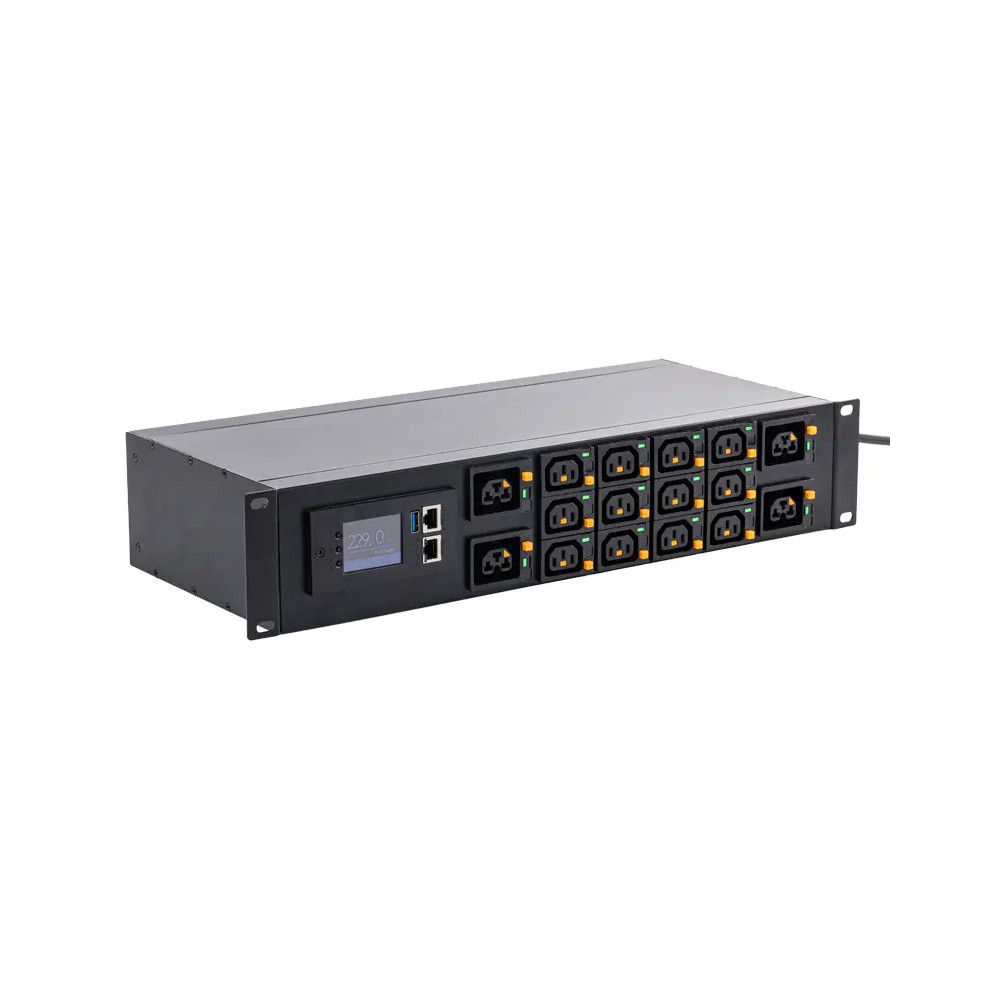
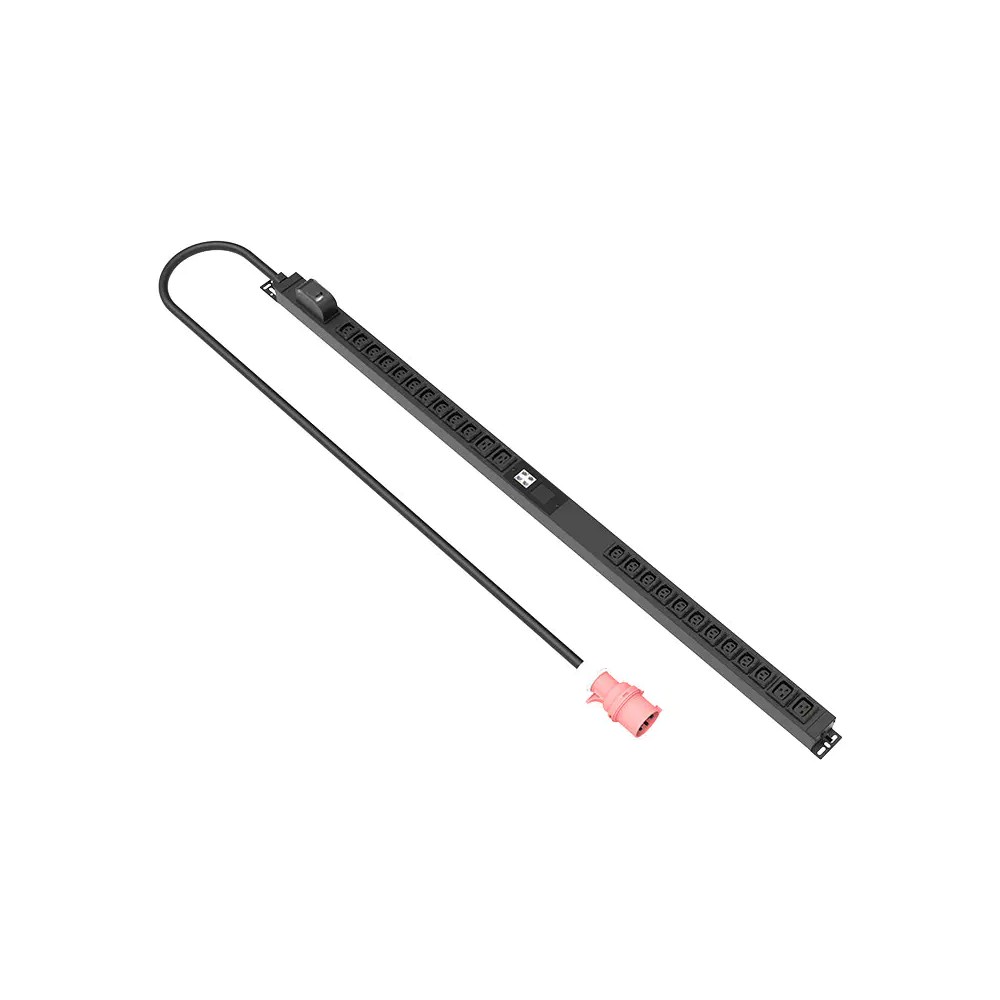
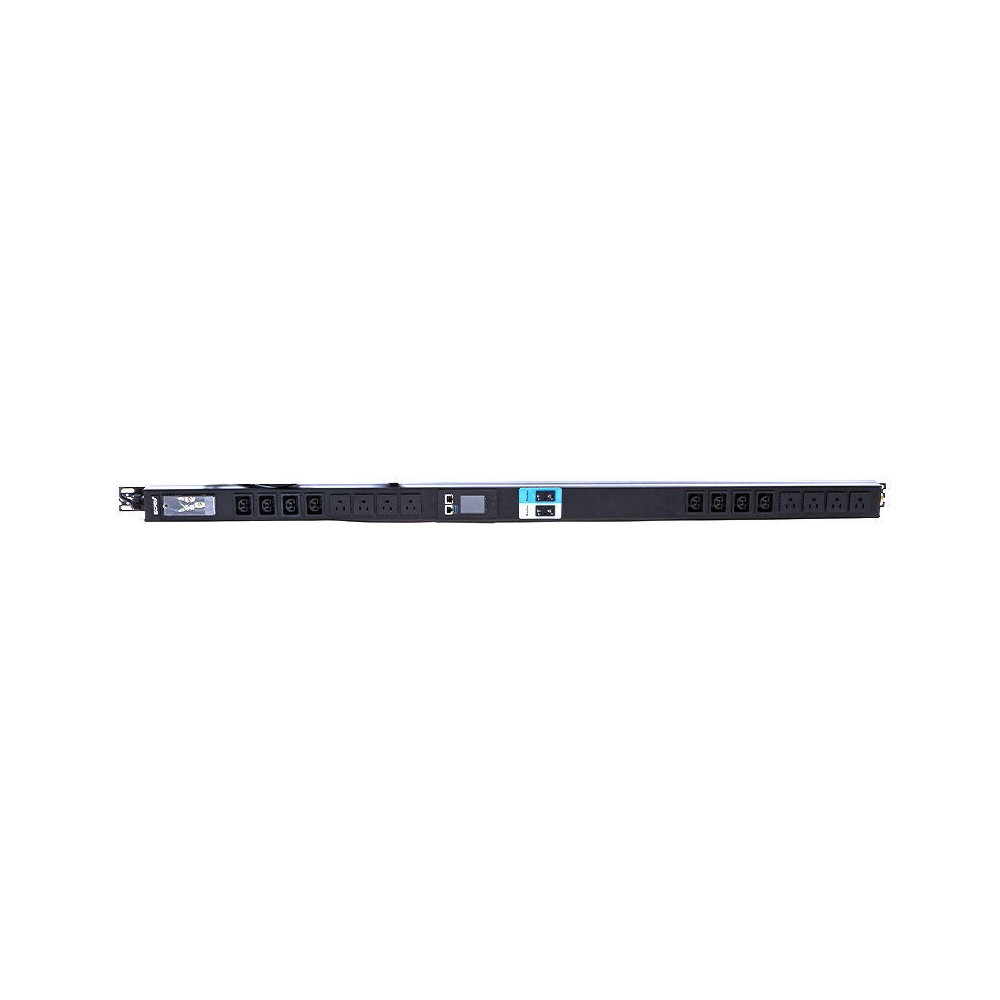
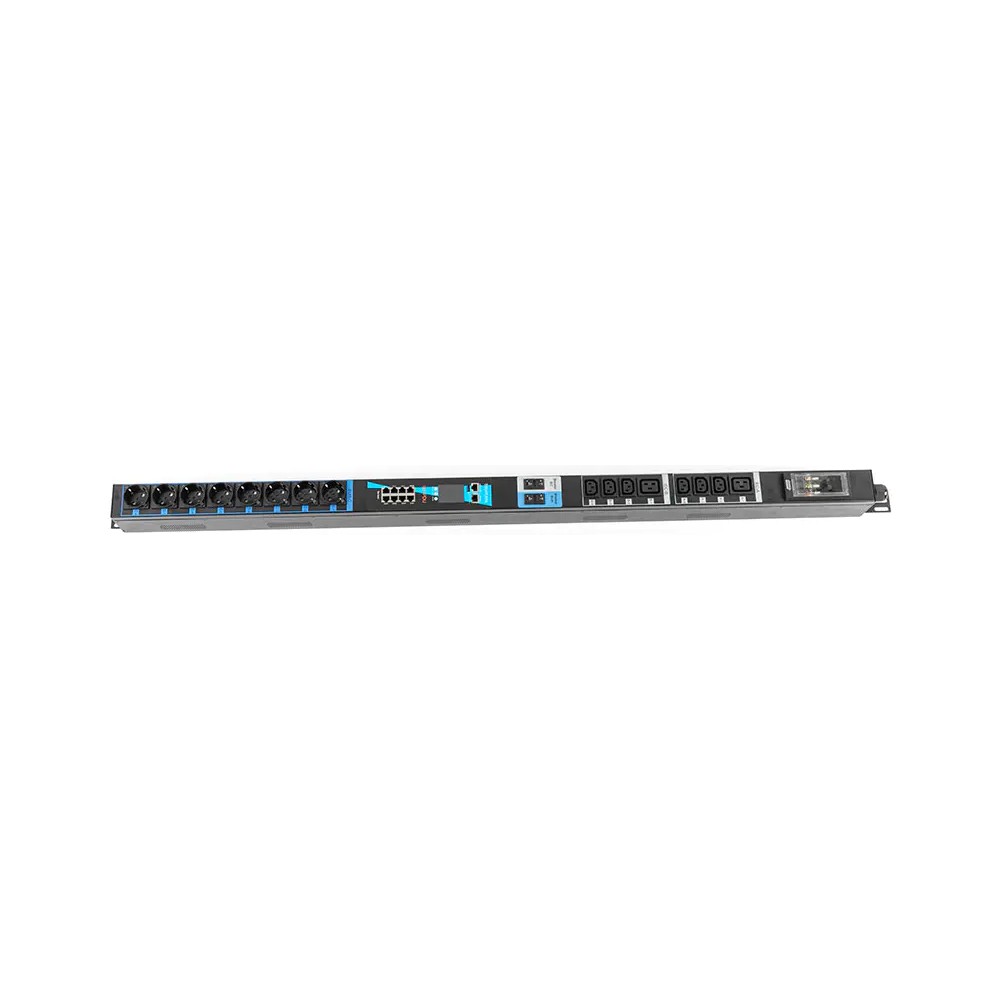
| Outlet configuration | 8× IEC C13 / C19 + 8× German Schuko (Type F) |
| Outlet rating | C13: 10 A; C19: 16 A; Schuko: 16 A |
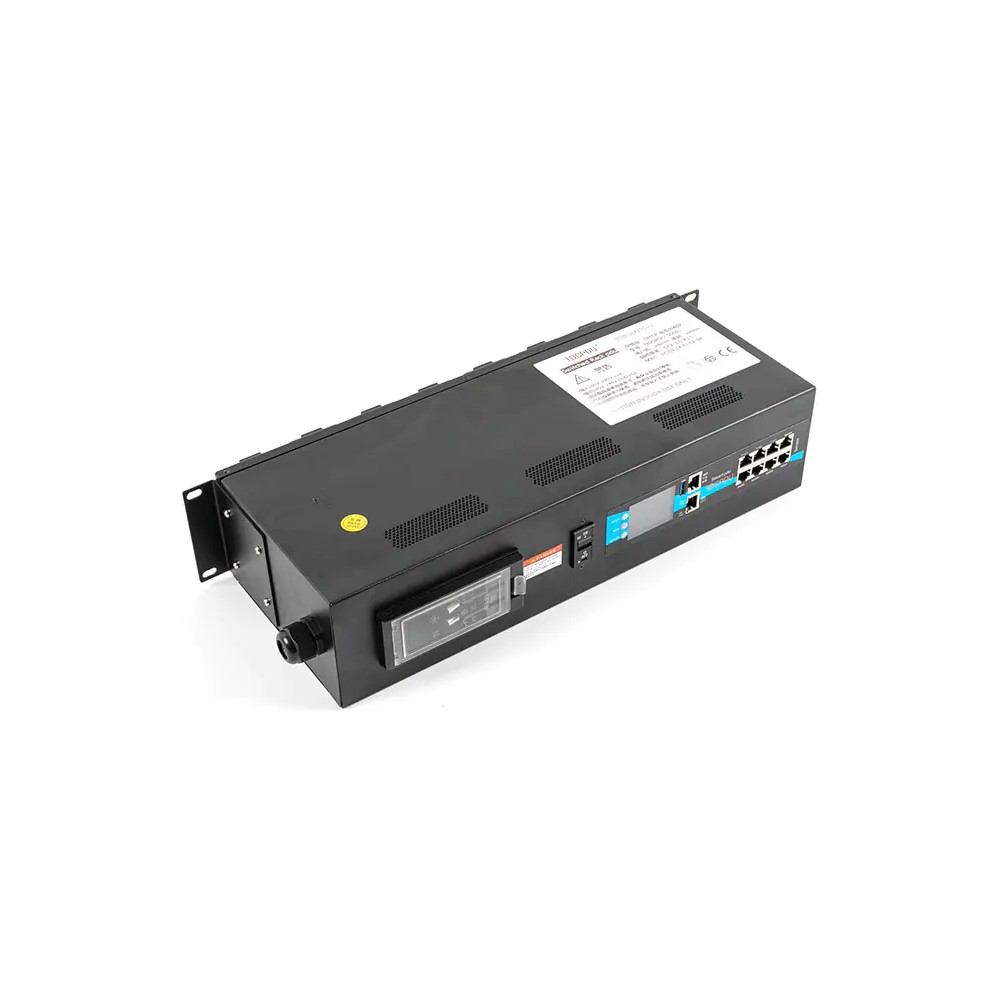
| Input connection | Hard-wired terminal block, 5-wire |
| Input voltage | C13 / C19: 110–250 V AC; Schuko: 220–250 V AC, 50/60 Hz |
| Max input current | 63 A |
| Rated power | Up to 15 kW at 250 V |
| Phase | Single-phase |
| Main breaker | 1-pole hydraulic-magnetic breaker, 63 A |
| Surge protection | None |
| Metering | LCD, current / voltage / power / energy |
| Monitoring interface | TCP/IP, SNMP v1/v2/v3, Modbus TCP, RS485 |
| Outlet switching | Per-outlet remote on/off and metering |
| Cable entry | Top or bottom |
| Housing | Cold-rolled steel, black powder coat |
| Operating temperature | -10–45 °C |
| Relative humidity | 0–90% RH, non-condensing |
| Included accessories | M6×16 screws, user manual |
| Certification | CE / EMC / RoHS; built under ISO 9001 |
| Customisation | Outlet count, cord length and plug type to drawing |
| Lead time | 7–15 working days after drawing approval |
Datasheet, manual and drawings for this product (PDF).
Our engineers reply within 24 hours on business days.
Tel: +86-574-63783045
Email: ricky@idcpdu.com
Tell us your requirements — our sales team will get back to you with a quotation.
Because the plug type is tied to the mains practice of the market. Schuko is a 220–250 V pattern, while C13 and C19 appliances are built for 110–250 V world input. Keeping the ranges separate in the specification avoids the mistake of feeding a 230 V only appliance from a 110 V branch.
Yes. Schuko (Type F) has two earth contacts on the side of the socket, so the appliance is earthed before the live pins make contact. In a rack that is exactly what you want when a device is plugged in with the strip already energised.
Moulded Schuko plugs and right-angle cords are physically wider than IEC connectors. Wider centres keep the plug bodies clear of each other, so no cord is forced into a bend against a neighbouring plug and no outlet is blocked by the one next to it.
Yes. The banks are separate outlet groups, so a group command switches eight outlets at once. Individual switching still works when only one instrument needs a reboot.
Current, power and energy per outlet, plus total current, voltage, power and energy for the strip. Data is available over SNMP v1/v2/v3, Modbus TCP and the web interface, and thresholds can be set per outlet group.
Yes. The number of C13, C19 and Schuko positions is built to drawing, as are cord length and plug type. Drawings within 30 minutes, quotation within one hour.