Tel: +86-574-63783045 · ricky@idcpdu.com
| Rack standard | 19-inch EIA-310 |
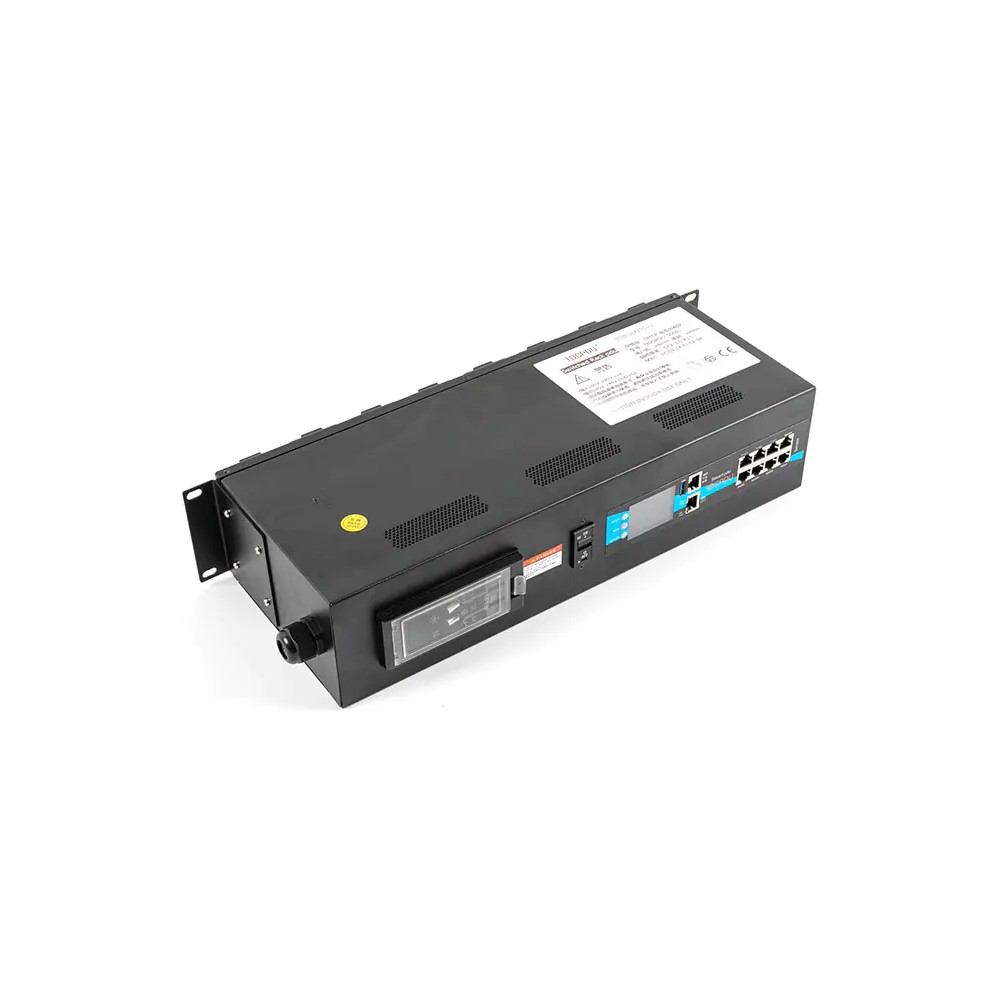
| Installation | Horizontal (2U) |
| Height | 2U body section (88 mm) |
| Mounting length | 483 mm |
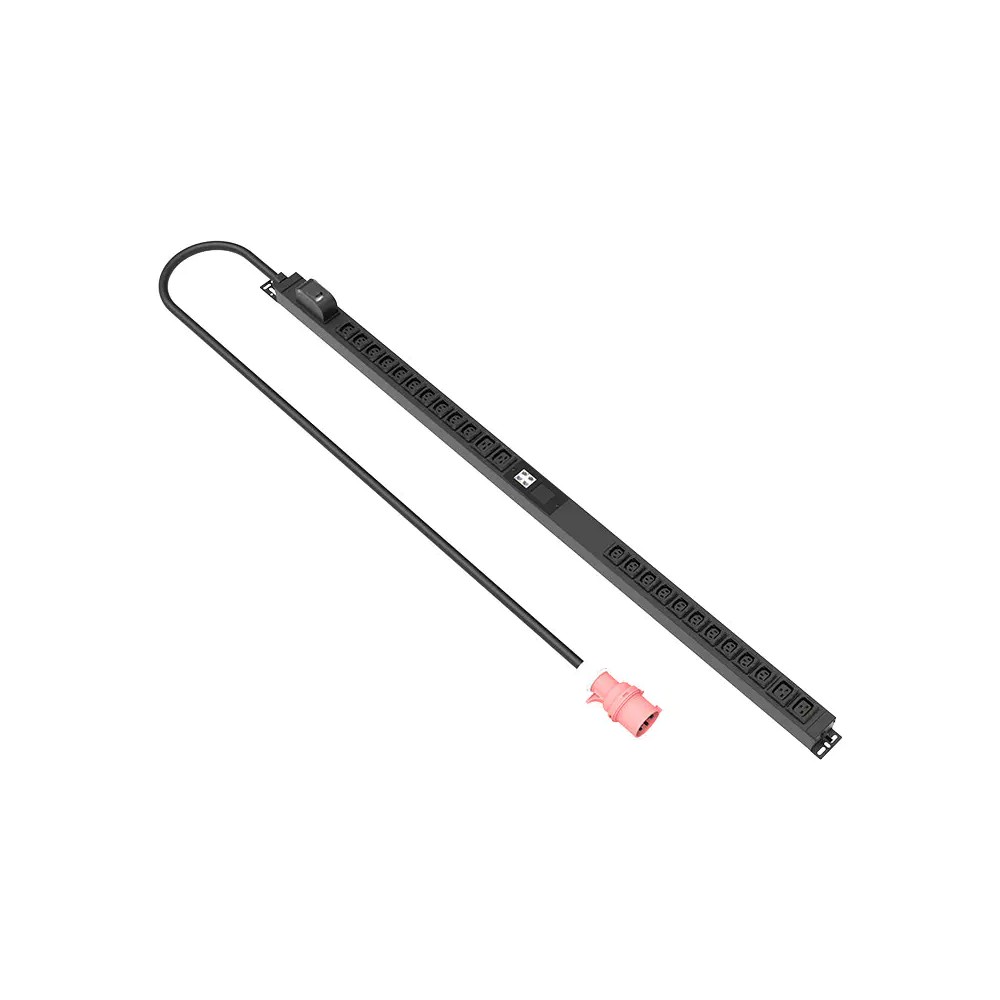
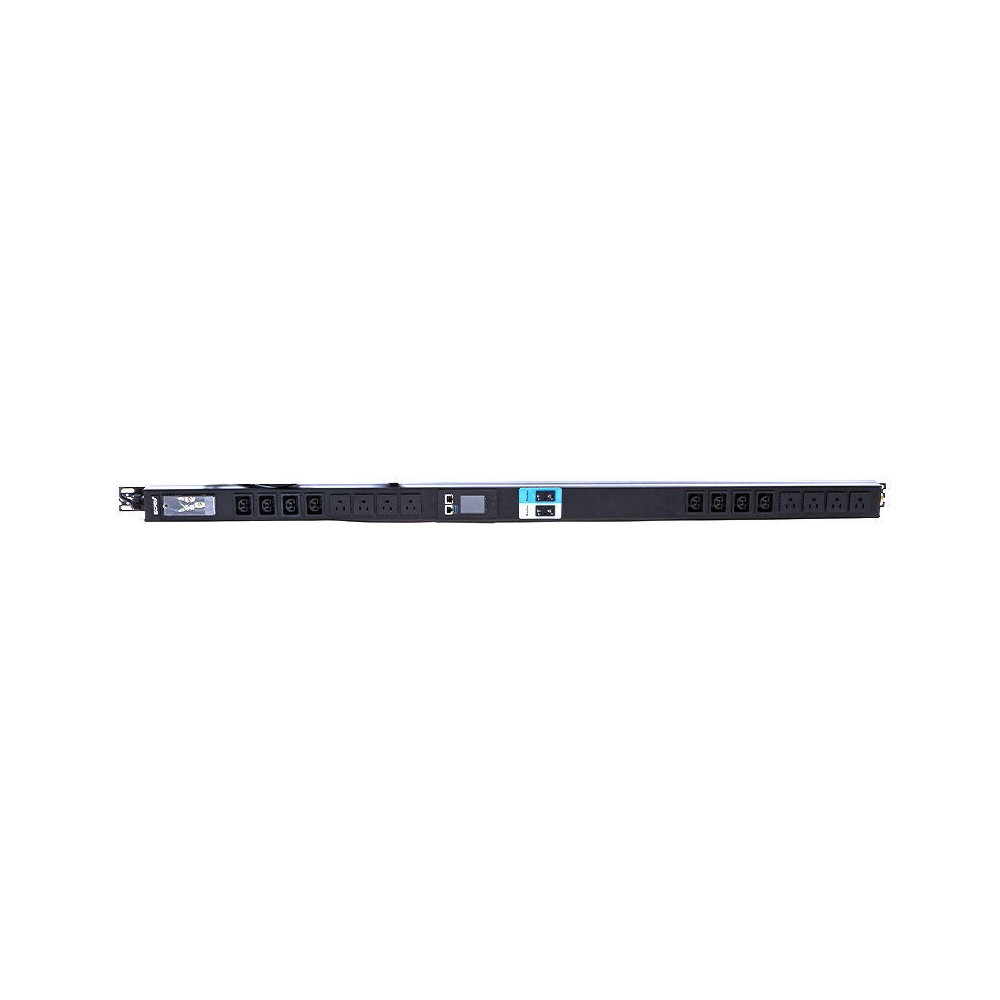
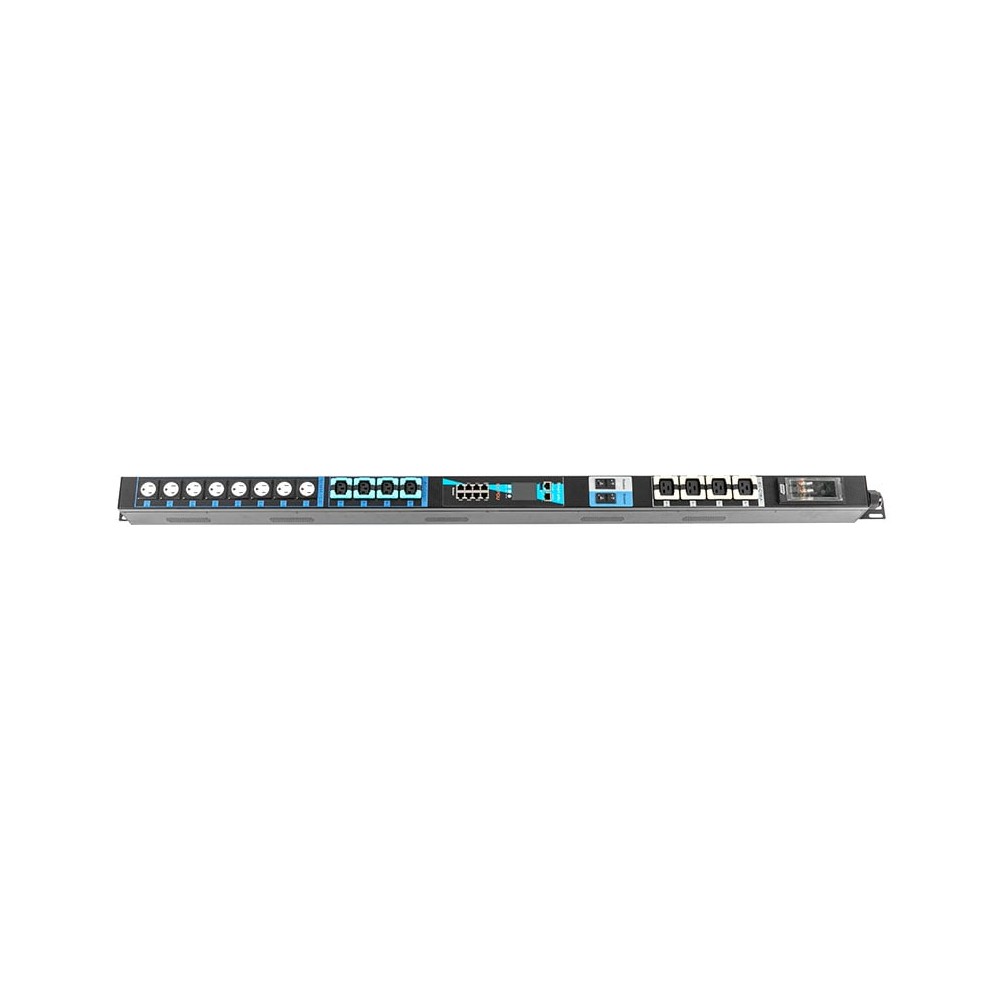
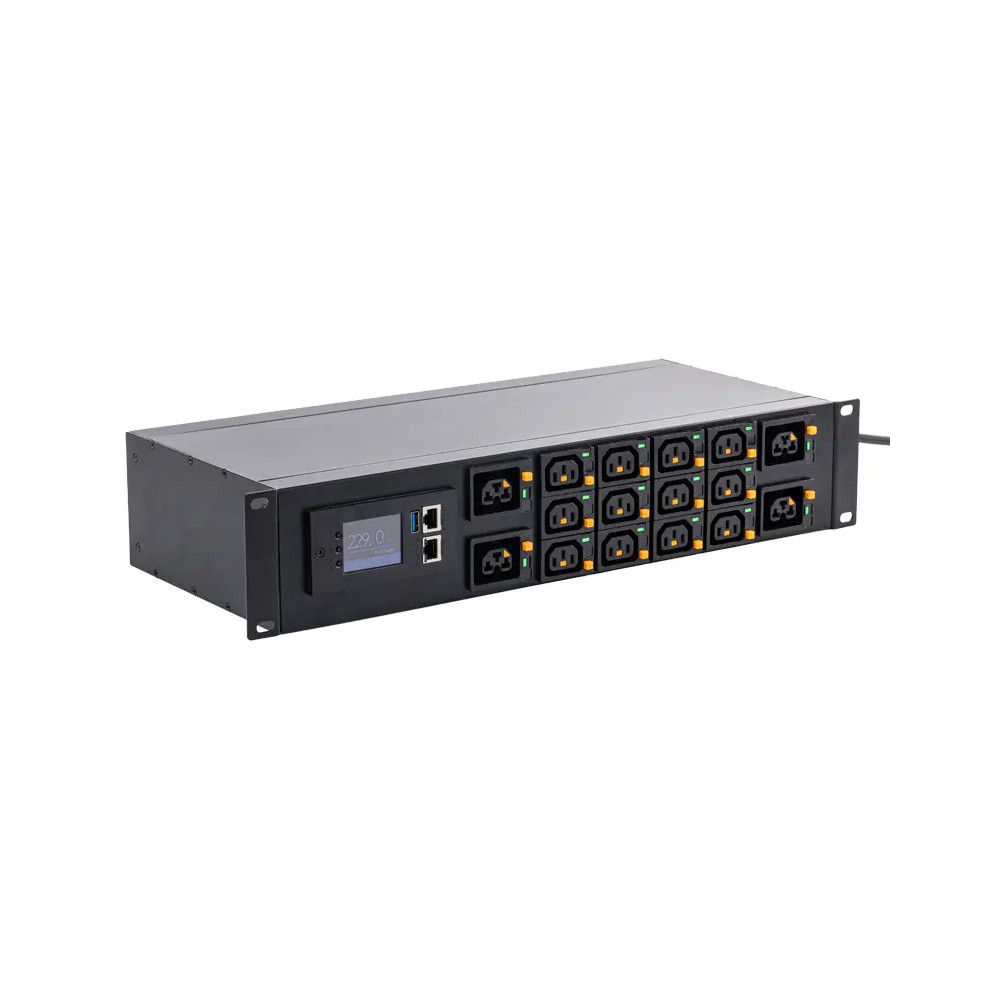
| Outlet configuration | 12× IEC C13 + 4× IEC C19, lockable |
| Outlet rating | C13: 10 A; C19: 16 A |
| Input connection | Cord, 3× 6 mm², plug type to drawing |
| Input voltage | 110–250 V AC, 50/60 Hz |
| Max input current | 32 A |
| Rated power | 8 kW at 250 V |
| Phase | Single-phase |
| Main breaker | 1-pole hydraulic-magnetic breaker, 32 A |
| Surge protection | Surge protection board, 2 kV differential mode |
| Metering | LCD, current / voltage / power / energy |
| Monitoring interface | TCP/IP, SNMP v1/v2/v3, Modbus TCP, RS485 |
| Outlet switching | Per-outlet remote on/off and metering |
| Cable entry | Rear with strain relief |
| Housing | Cold-rolled steel, black powder coat |
| Operating temperature | -10–45 °C |
| Relative humidity | 0–90% RH, non-condensing |
| Included accessories | M6×16 screws, user manual |
| Certification | CE / EMC / RoHS; built under ISO 9001 |
| Customisation | Outlet count, cord length and plug type to drawing |
| Lead time | 7–15 working days after drawing approval |
Datasheet, manual and drawings for this product (PDF).
Our engineers reply within 24 hours on business days.
Tel: +86-574-63783045
Email: ricky@idcpdu.com
Tell us your requirements — our sales team will get back to you with a quotation.
A retaining clip grips the connector shell so the cord cannot be pulled out by tension on the cable. It releases with a deliberate squeeze. In colocation and edge sites this is the difference between a clean reboot and a truck roll after someone's foot catches a cord.
Yes. Sequential start brings outlets up one after another with a configurable 1 to 250 second interval, and the order of outlets is set in the web interface. Storage can come up before the servers that mount it, and switches before the devices that need a DHCP lease.
The states are stored in non-volatile memory, so the strip restores the previous on and off pattern when power returns. Combined with sequential start, the rack comes back the same way it went down.
Because this model is aimed at racks fed from a socket outlet, typically a 32 A industrial connector in a colocation cage. The cord set removes the need for a qualified electrician on site; if your feed is a fixed terminal, order the hard-wired version instead.
The board handles 2 kV differential mode surges, which covers most switching transients on a building's internal wiring. In a region with frequent direct strikes, surge protection belongs at the panel and at the building entry, not only inside a rack strip.
Yes. Outlet count, C13 and C19 ratio, cord length and plug type are built to drawing. Drawings within 30 minutes, quotation within one hour.