Tel: +86-574-63783045 · ricky@idcpdu.com
| Rack standard | 19-inch EIA-310 |
| Installation | Vertical (0U) |
| Mounting length | 1075.68 mm |
| Body width | 180 mm |
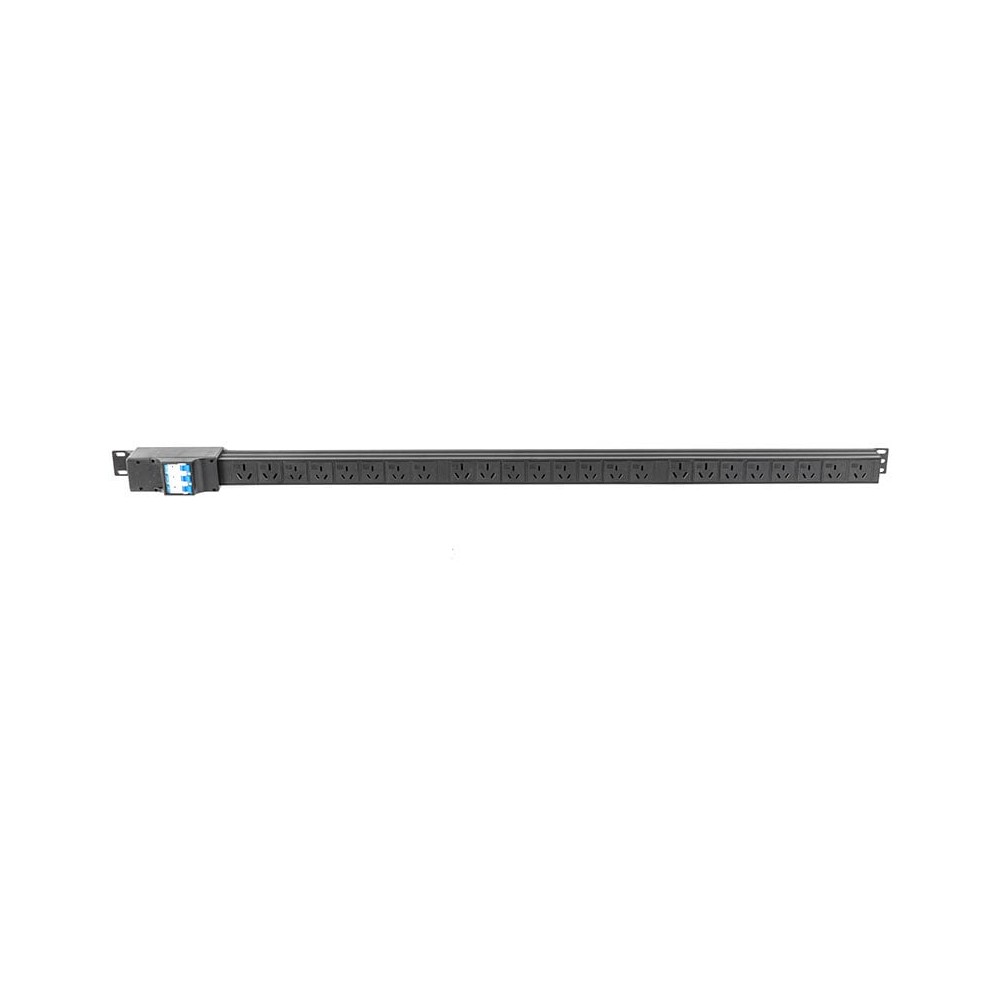
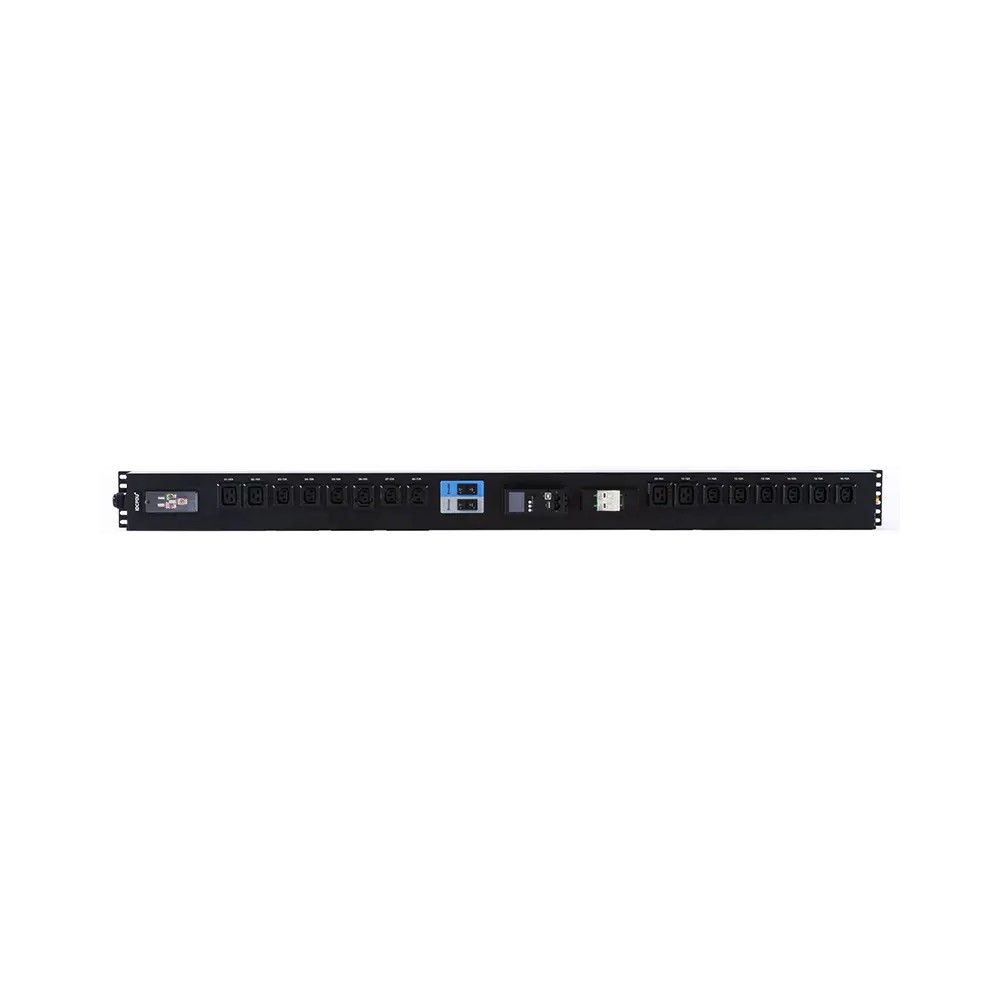
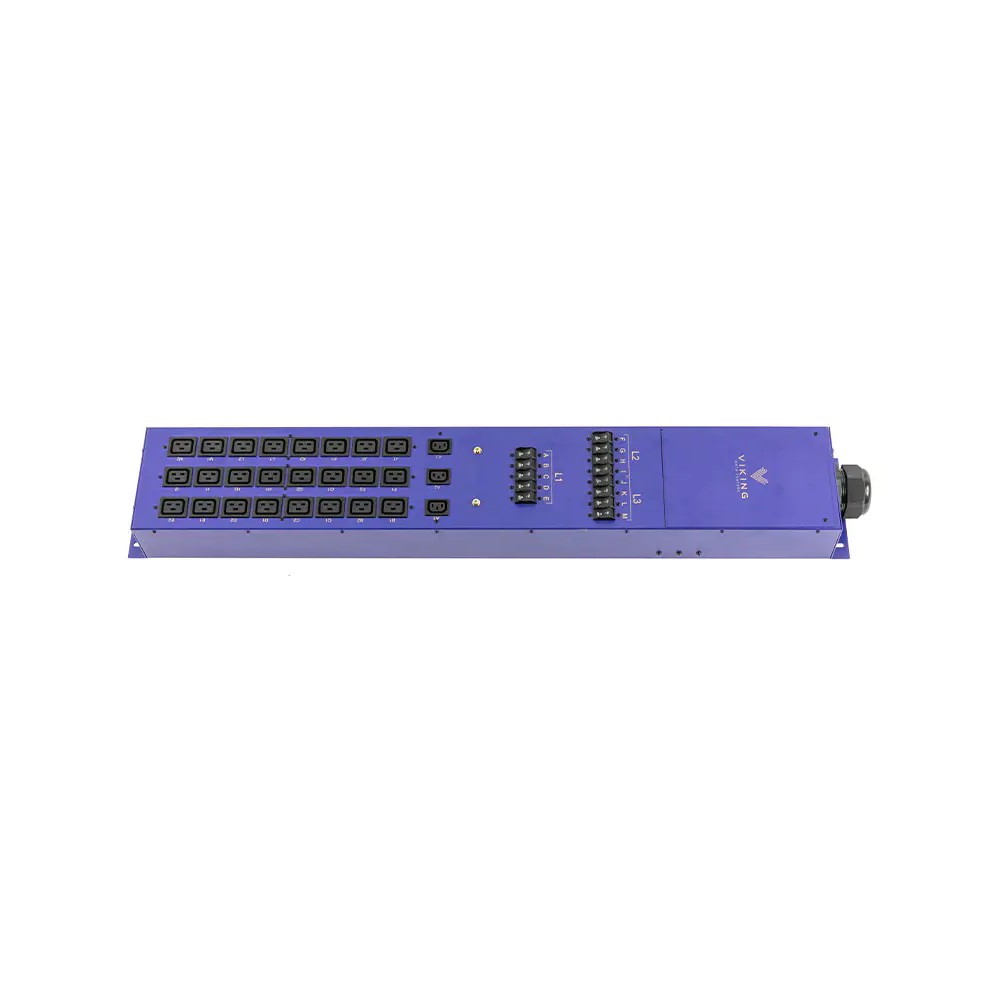
| Outlet configuration | 27× IEC C13 / C19 |
| Outlet rating | C13: 10 A; C19: 16 A |
| Input connection | L1 / L2 / L3 / N barrier terminals |
| Input voltage | 380 V AC three-phase (220–250 V phase to neutral), 50/60 Hz |
| Max input current | 160 A per phase |
| Phase | Three-phase |
| Main breaker | Hydraulic-magnetic breaker, 3-pole 160 A |
| Surge protection | None |
| Cable entry | Top or bottom |
| Housing | Cold-rolled steel, blue powder coat |
| Operating temperature | 10–45 °C |
| Relative humidity | 0–90% RH, non-condensing |
| Included accessories | M6×16 screws, user manual |
| Certification | CE / EMC; built under ISO 9001 |
| Customisation | Outlet count, phase grouping and terminal type to drawing |
| Lead time | 7–15 working days after drawing approval |
Datasheet, manual and drawings for this product (PDF).
Our engineers reply within 24 hours on business days.
Tel: +86-574-63783045
Email: ricky@idcpdu.com
Tell us your requirements — our sales team will get back to you with a quotation.
Because of the terminals and the busbar, not the outlets. A 160 A per-phase connection needs barrier terminals big enough for a 5-core cable and a busbar that carries the current without a temperature rise; the 180 mm section is what holds both and still leaves the rear channel usable.
Nine outlets per phase on average. That is far more outlet capacity than a 160 A phase will ever deliver at once, which is the point: machines cycle, draw less than nameplate, and the feed is sized to the measured total rather than to the sum of outlets.
L1, L2, L3 and N onto barrier terminals, earth onto a separate stud, with the cable sized to 160 A. No adapter plates and no crimped tails, which is where high-current joints usually go wrong.
It takes more room than a 60 mm strip, so plan the cable route before the rack is filled. Cable entry at the top or bottom keeps the feed out of the way of patch cabling.
Not on this model. One 3-pole breaker, twenty-seven outlets, no electronics in the hot zone. Metered and switched versions are built to drawing on the same body if you need data or remote control.
Yes. Outlet count, C13 and C19 ratio, phase grouping and terminal type are built to drawing. Drawings within 30 minutes, quotation within one hour.